
Conservation in emsworth
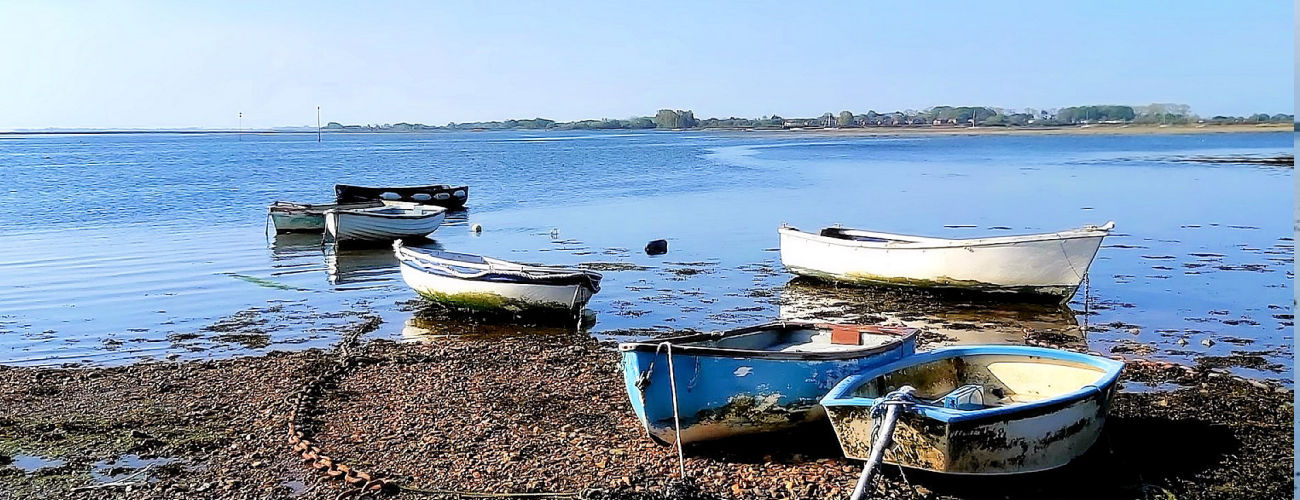
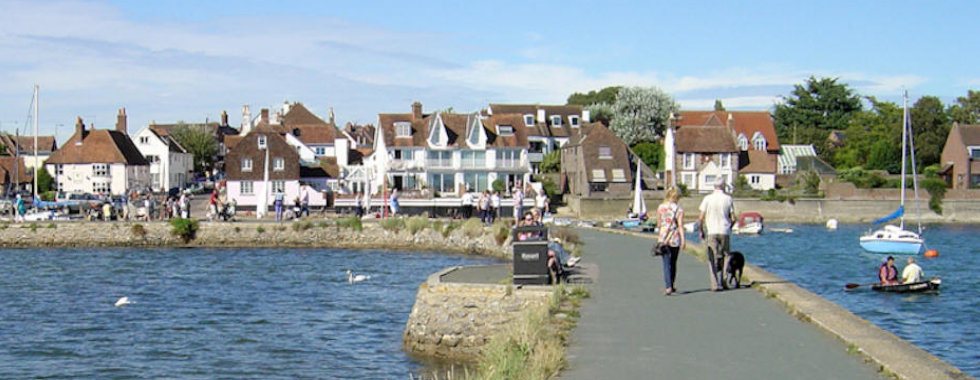
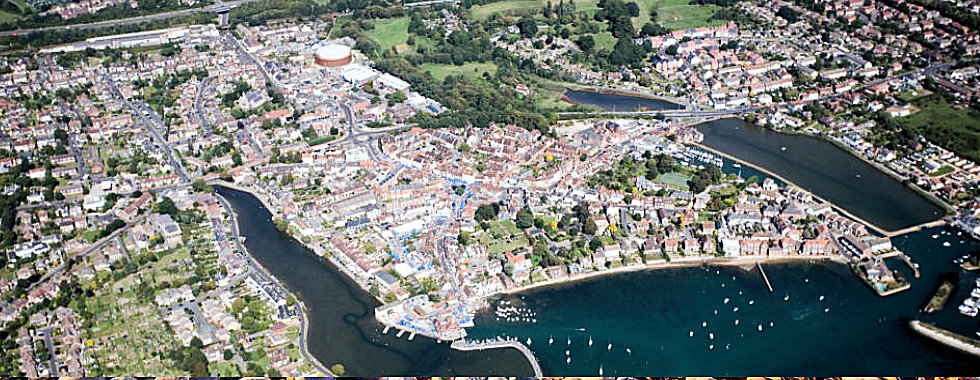
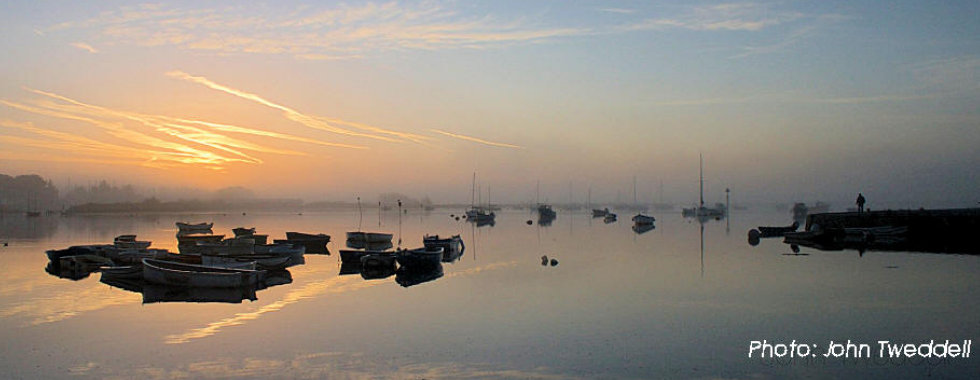
Situated at the top of Chichester Harbour, Emsworth
is sheltered from the elements and is popular with
sailors, artists, naturalists and walkers alike.
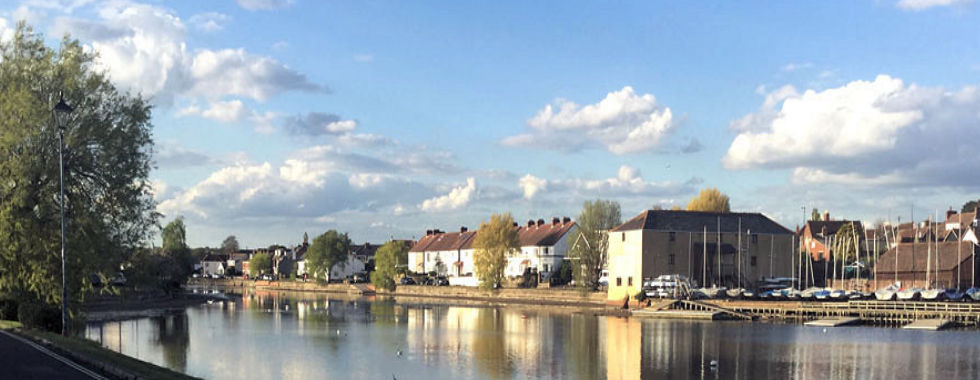
The Two tidal Mill Ponds to the east and one to the west
of the town
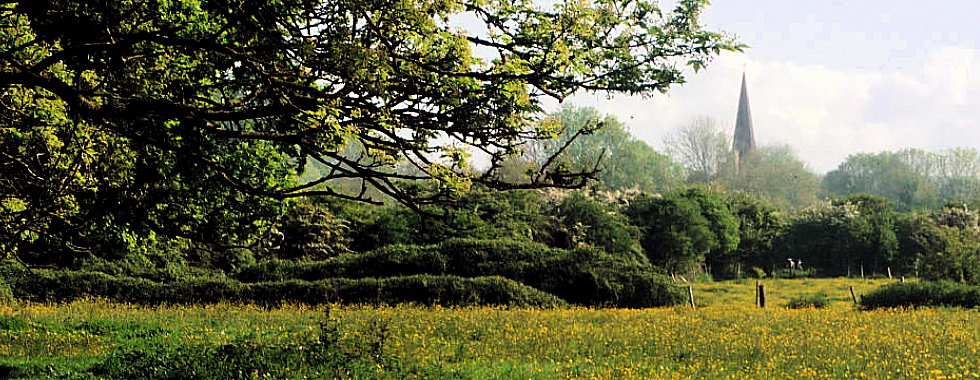
are host to a variety of wildlife as is Brook Meadow
also to the west of the river. Historical documents show
that the meadow has been a grazes water meadow since at
least the mid 19th century and wild life surveys have
recorded a wide variety of plants and animals including
the endangered water vole.
Emsworth plays host to a wide variety of
migrating birds every year - some such as Brent Geese
coming from Siberia, - which join the many
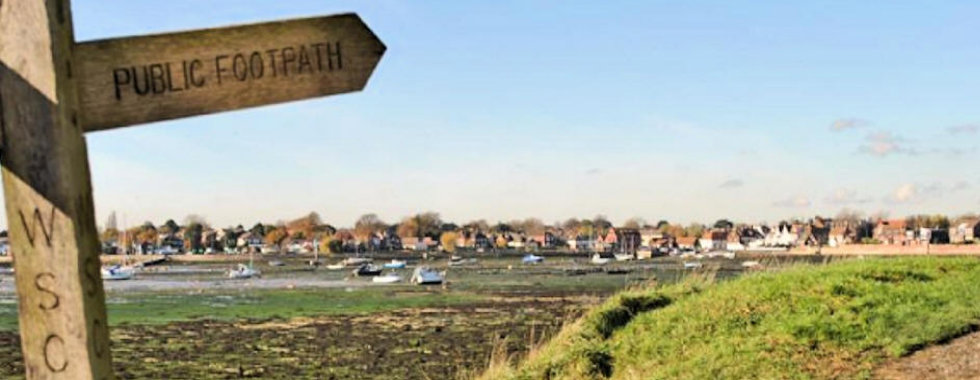
wading birds on the salt marsh around the foreshore not
to mention Emsworth's notorious community of beautiful
swans!
Emsworth has four principal Conservation groups each caring for a part of Emsworth's natural heritage.
Brook Meadow Conservation Group
Brook Meadow is a lovely wet meadow in Emsworth, which
is a small town in the south east corner of Hampshire in
the UK. It consists of 5 acres of grassland, surrounded
by woodlands and flanked by two streams. It is full of
birds, insects and wild flowers and has Water Voles in
the river. It is designated as a Site of Importance for
Nature Conservation and is managed by the Brook Meadow
Conservation Group on behalf of the owners, Havant
Borough Council. Come along and pay a visit. It
refreshes the senses and uplifts the spirits. What more
could you ask?
www.hants.org.uk/brook-meadow
The Friends of Holly Bank Woods
An area of woodland to the north of Emsworth in
Hampshire. The area was acquired by Havant Borough
Council in 1996 (with a 999 year lease) and is
designated a Site of Importance for Nature Conservation
(SINC). Major works completed by Havant Borough Council,
with practical help from the Friends of Hollybank Woods,
during last four years have included path clearance,
formation of a new circular walk, a new bridleway which
is now in use and estate style fencing has now replaced
much of the old chain link at Dymoke Street and Spencer
Road. Winter 2005 - 2006 has seen further glade creation
and whilst work party days have now finished for the
season as spring approaches (nesting time), further work
and improvement is being planned for winter 2006 - 2007.
www.hants.org.uk/hollybank-woods
The Friends of
Nore Barn Woods
Nore Barn
Woods consists of two areas of woodland adjacent to the
Foreshore and a part of Maisemore Gardens, Emsworth.
Public access is via the end of Warblington Road where
it is possible for a small number of cars to park. The
site is nominally managed by Havant Borough Council but
a small group of local volunteers, The Friends of Nore
Barn Woods, have undertaken to investigate improvements
and maintenance of the site under the auspices of the
British Trust for Conservation Volunteers.
www.norebarnwoods.org.uk
The Slipper Mill Pond Preservation Association
The
tidal-filled Slipper Mill Pond lies to the East of
Emsworth where the River Ems enters Chichester Harbour
and the sea.
It is a unique brackish wildlife habitat with:
-
over 25 species of birds
-
more than 60 different plants and trees on its banks
-
breeding ground for many fish, especially grey mullet
-
many different animals in its muddy bottom - 2 protected species of mud invertebrates and an interesting tube worm
This
historic pond dating from the 1760s has 34 owners who
have charged the Slipper Mill Pond Preservation
Association with its care and maintenance for the quiet
enjoyment of the public.
www.smppa.org.uk
The
Friends of Emsworth Waysides
The Friends of Emsworth Waysides is a new conservation
group set up in September 2009 by a number of local
residents who were concerned at the mowing and chemical
spraying by the Council and its contractors of roadside
verges and other small areas around the town.
www.emsworthwaysides.hampshire.org.uk
Chichester Harbour Conservancy
It has internationally important numbers of 5
species of wildfowl and waders It is nationally
important for at least 8 further species.
It has the 7th largest area of saltmarsh in
Britain.
At least 25 nationally rare species of plants and
animals occur - and that's not including
non-breeding birds. An
area of mudflat similar to that occupied by a dinghy
could hold 40,000 tiny Laver spire shells, 60,000
Corophium shrimps, 50,000 Baltic Tellin shellfish or up
to 500 Ragworms.
The Conservancy was
established by the Chichester Harbour Conservancy Act
1971. Its duty is the conservancy, maintenance and
improvement of the Harbour and the Amenity Area for
recreation and leisure, nature conservation and the
natural beauty. The Conservancy also acts as the Joint
Advisory Committee for the Area of Outstanding Natural
Beauty (AONB).
Chichester Harbour is internationally important for
birds and for its coastal habitats. You might not think
that harbour wildlife is unusual enough for that, but
although in the southeast of England there are quite a
lot of wet and muddy bits, over the whole of Europe
these estuarine ecosystems are rare. Wetlands, including
coastal areas, are one of the most threatened and
diminishing habitats internationally.
A huge variety of plants and animals live in and around
the harbour. Some are hidden in the mud, or are
underwater, so it's not immediately obvious what is
there. Others are very easy to see. Whatever it is, we
can help you find out more.
The harbour held an average over the last five winters
of nearly 47,000 waterfowl. That makes it the most
important single site on the south coast of England for
these birds. It ranks in 27th position nationally.
There are underwater slippers, spiders and peacocks
(limpets, crabs and worms), dahlias, carrots and
gooseberries (anemones, sponges and sea squirts)!